As an affiliate, we may earn a commission from qualifying purchases. We get commissions for purchases made through links on this website from Amazon and other third parties.
Tony O’Neill is the founder of Simplify Beekeeping and an experienced beekeeper with over a decade of hands-on experience. Starting with just a few hives to support his garden, Tony’s passion for beekeeping quickly grew into managing 45 hives. He’s dedicated to making beekeeping accessible and enjoyable for everyone, sharing his knowledge through practical tips, in-depth guides, and engaging videos. When he’s not tending to his bees, Tony enjoys teaching others about the joys of beekeeping, both online and in his local community.
Urban beekeeping is growing, but it can bring worries to those nearby. Neighbors sometimes fear bee stings or worry about risks to their property. This article shares ways to ease those fears and build good relationships with neighbors through urban apiary practices.
Talk to neighbors before starting beekeeping. This builds trust and understanding. Share the benefits like more fruits and honey.
Educate neighbors about bees. Host open houses, give tours in bee suits, and share honey samples. This shows the safety and benefits of bees.
Check local laws on beekeeping. Make sure you follow all rules to avoid problems.
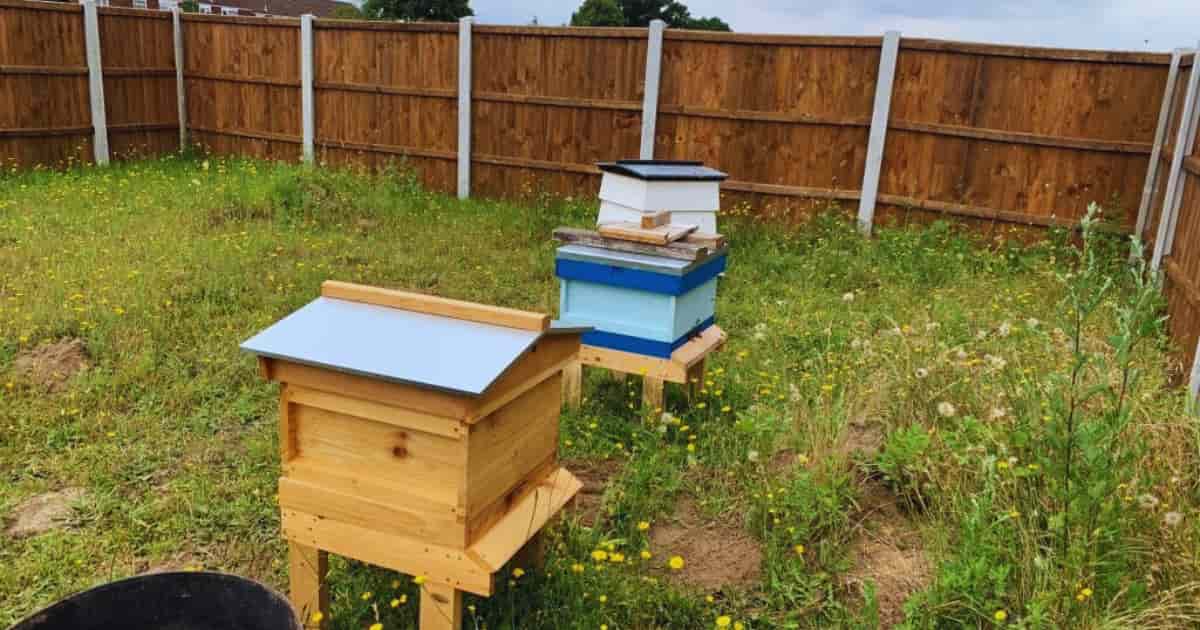
Use fences or barriers to guide bees’ flight away from people. Give bees water near their hives so they don’t go to neighbor’s areas.
Share honey with neighbors. This makes them feel good about having bees nearby and supports urban beekeeping.
Importance of Neighbor Relations in Urban Beekeeping
Building positive relationships with neighbors is crucial for successful urban beekeeping. Effective communication and understanding are key to addressing concerns and fostering support for sustainable bee stewardship within the community.
Building trust and understanding
Talking with your neighbors before you set up beehives can help build trust and understanding. Stewarth did this and received positive feedback without any complaints. This shows that telling neighbors about your plans can lead to support instead of problems.
High fences are also helpful because they create a clear boundary that can prevent issues from arising.
Neighbors might worry less if they know bees can improve fruit production in their gardens. Ray4852 advises talking to neighbors first, making them feel respected and valued.
Sharing the benefits of beekeeping, like more fruits or even some honey, encourages good relationships.
High fences make good neighbors means setting clear boundaries helps avoid conflicts.
Essential communication strategies
Talk to your neighbors early. Share your plan for setting up beehives. For example, Stewarth told his neighbors before he began, which led to positive feedback and no complaints.
This shows how starting conversations can build understanding and support.
Use simple ways to keep everyone informed. Sharing updates or inviting them over can help a lot. When you involve neighbors in bee activities, they see the benefits of urban honey production firsthand.
Building barriers so bees fly upwards prevents issues and keeps peace with neighbors.
Next, we discuss the common concerns of neighbors.
Common Concerns from Neighbors
Neighbors may have worries about being stung by bees. Some might have allergies to bees, too.
Fear of bee stings
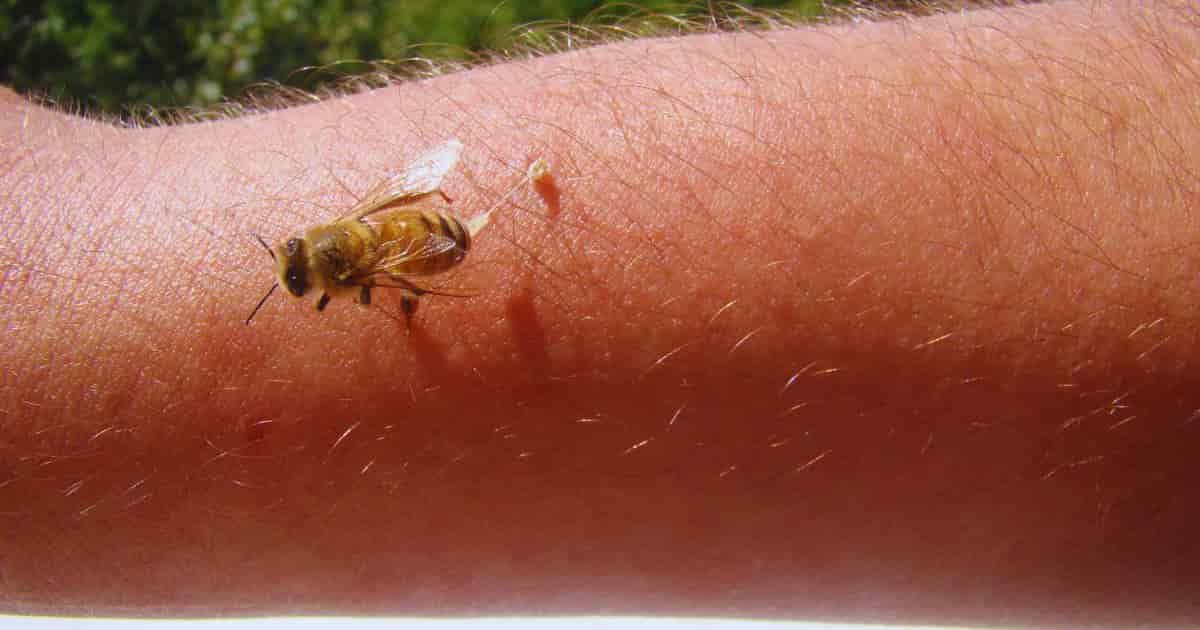
Many people worry about getting stung by a bee. This fear is common among neighbors of urban beekeepers. The truth is that only 2-3% of the population have severe reactions to bee stings.
Swarming bees are usually calm and do not look to sting. It’s surprising, but being hit by lightning is more likely than dying from a bee sting.
Risk of dying from a bee sting is lower than that from a lightning strike.
Beekeepers can help reduce this fear by sharing facts and showing how they manage their hives safely. Keeping neighbors informed helps them understand the low risk of beekeeping in cities.
Allergies to bees
Some people are very allergic to bee stings. About 2-3% of them could have bad reactions if a bee stings them. Knowing this helps us see why some neighbors might worry about urban beekeeping.
It’s less risky than getting hit by lightning, but the fear remains.
It’s smart to talk about allergies early on to keep everyone safe. Share facts with your neighbors. Tell them that not many people get very sick from bee stings. Also, let them know you’re careful with your bees to reduce risks.
This can make living near bees easier for everyone.
Potential property damage
Bees can sometimes cause property damage. They might build hives in unsuitable spots, like inside walls or under roof eaves, which can lead to costly repairs for homeowners. For example, a beekeeper had to remove his hives after a neighbor complained about possible damage to their home.
Neighbors worry bees will harm their gardens or green spaces. But bees play a key role in pollination, which helps plants grow. One beekeeper who set up a privacy fence has a smart solution.
This showed neighbors the bees were safe and kept them happy, too. The goal is always to keep the bees and nearby people feeling secure.
Strategies to Address Neighbor Concerns
Educating and involving neighbors in urban beekeeping is essential to addressing their concerns. This can be accomplished through informative meetings, open house sessions, and regular updates on beekeeping practices. Furthermore, providing benefits like a share of honey can also help alleviate their worries.
Educative meetings and open house sessions
Educative meetings and open house sessions help neighbors understand urban beekeeping. They show how honeybees benefit everyone.
Host an open house at the apiary. Invite people to see the hives and learn how bees make honey.
Teach aboutpollinators during these events. Explain how bees help plants grow by moving pollen from one flower to another.
Share stories of successful beekeeping, like the Honeybee Haven Community in Portland, OR. Show how they work with neighbors through education.
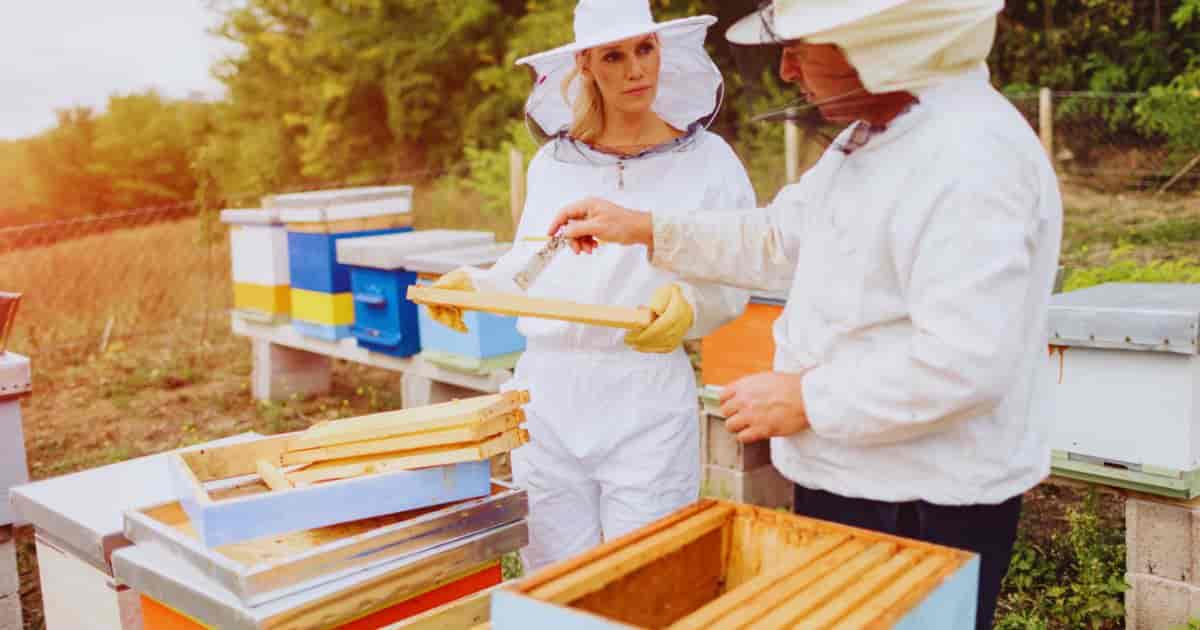
Give a tour wearing a bee suit. This shows safety first and demystifies being close to bees.
Offer samples of local honey made by the bees. This shares the sweet benefits of having them around.
Talk about different hives, like Langstroth hives or top bar hives. Explain why beekeepers choose one over another.
Discuss how beekeeping supports biodiversity by keeping healthy bee populations.
Explain safety measures for those allergic to bees, showing you are serious about minimizing risks.
Use simple tools like pictures or models of flowers and bees to explain cross-pollination.
Finally, invite questions from everyone. Listen and answer honestly to build trust and understanding.
These steps help neighbors see the value of urban beekeeping and reduce their concerns through knowledge and openness.
Regular updates and transparent practices
Keeping neighbors informed about your beekeeping is essential. This involves providing frequent updates and transparency about your activities. Here’s the approach:
Circulate a newsletter or email updates about your bees. Inform them about any new alterations or happenings associated with your rooftop hives.
Arrange open house days where neighbors can inspect your apiary. Demonstrate your care for the honey bees and describe the urban agriculture process.
Broadcast plans for new hive configurations before starting. This allows neighbors to inquire or voice any apprehensions.
Display signs that notify individuals about the vicinity of bee colonies. Incorporate interesting details about honey bees and their function in the ecosystem.
Offer contact details so neighbors can communicate if they have inquiries or problems. Assure them that you’re receptive to their feedback.
Implement a barrier strategy with your hives to guide bees upward, not toward residential areas. Clarify this method to those residing nearby.
Distribute the harvest by gifting some of your honey to neighbors. Through delectable, local honey, let them witness the advantages of bees in the surroundings.
Utilize social media or a blog to circulate updates and pictures from your beekeeping adventure, fostering openness and curiosity in apiculture.
By adhering to these steps, urban beekeepers can sustain constructive relationships with their neighbors while relishing their hobby and endorsing sustainability.
Providing benefits like sharing honey
Sharing honey with neighbors can turn them into beekeeping supporters. This act fosters good relations and highlights the mutual benefits of urban beekeeping.
Gifting honey makes peace. Neighbors love receiving honey as a gift, which shows them the direct benefits of having bees around.
The local sheriff also appreciates honey gifts. This suggests that sharing honey can help form positive relationships not just with neighbors but also with local authorities.
Keeping open lines of communication is vital. Sharing honey invites questions and discussions about beekeeping, leading to better understanding and support from those living nearby.
Involving neighbors in bee activities can grow their interest. When they get involved, they learn more about the importance of bees in nature.
Bees help pollinate plants, which is suitable for everyone’s gardens. Sharing this fact with some honey can encourage neighbors to see bees as helpful rather than harmful.
Offering a share of the produced honey encourages cooperation and reduces complaints from neighbors about the beekeeping operation near their homes.
Educating neighbors on how bees boost nectar sources for a sustainable future can change their views on urban beekeeping.
Highlighting how bees play a role in preventing colony collapse disorder by keeping healthy colonies through sharing knowledge and honey increases community awareness and support for beekeeping efforts.
Legal and Safety Measures
Understanding local regulations and compliance is essential to ensure urban beekeeping practices align with safety standards. To learn more, delve into the legal and safety measures necessary for successful urban beekeeping.
Understanding local regulations and compliance
Checking local laws is critical for urban beekeepers. In Florida, you must register with the state if you keep bees. This protects you from complaints. The fee is $10 a year for having less than five colonies.
Beekeepers should also be aware of town rules on bees. It’s smart to talk to your local government about these rules.
Safety steps around your hives are essential, too. Knowing what the Australian government suggests can help here. They have guidelines that can guide beekeepers in cities. This way, beekeepers follow the law and keep their bees safe.
Implementing safety protocols around hive locations
To ensure safety around hive locations, follow these steps:
Position the hive entrance away from high-traffic areas and towards tall shrubs or fences to encourage bees to fly upward.
Install a privacy fence as a barrier to address concerns and guide bee flight paths.
Ensure bees have access to water within 5-10 feet of the hive to prevent them from seeking hydration in neighboring areas.
Consult with neighbors and, if necessary, create barriers to direct bees’ flight paths away from adjacent properties.
Implementing these safety protocols can address neighbor concerns and promote harmonious urban beekeeping practices.
Sustainable Urban Beekeeping Practices
Maintaining healthy bee populations is crucial for urban beekeeping. By minimizing bee nuisance through careful management, we can ensure a positive coexistence with our neighbors and the environment.
To learn more about sustainable urban beekeeping practices, read the full blog!
Importance of maintaining healthy bee populations
Maintaining healthy bee populations is crucial for sustainable urban beekeeping. With a 10% annual increase in U.S. urban beekeepers since 2010, responsible practices support the future of urban honey production.
Sustainable food sources and environmental benefits are directly tied to thriving European honey bees and bumble bees. Techniques aimed at minimizing pests like varroa mites are pivotal in ensuring robust bee populations that aid in pollination.
Moreover, the diversity of flora contributes to distinct flavors in urban honey, further emphasizing the significance of maintaining healthy and diverse bee populations for thriving urban ecosystems.
Techniques for minimizing bee nuisance
To minimize the nuisance caused by bees, the following techniques can be implemented:
Plant bee-friendly flora to divert their attention from human activity.
Maintain clean and sealed trash bins to prevent attracting bees to food sources.
Regularly inspect and seal any potential entry points into buildings or structures.
Set up decoy water sources away from high-traffic areas to deter bees from congregating near people.
Implementing these strategies can significantly reduce bee-related concerns in urban areas.
Next heading: Legal and Safety Measures
Conclusion
Fostering positive relations with neighbors is crucial for successful urban beekeeping. Conflicts can be minimized by addressing their concerns and building trust through open communication and education.
Implementing safety measures and abiding by local regulations also play an essential role in maintaining good neighborly relations in urban beekeeping. Ultimately, promoting the benefits of sustainable practices and community engagement will contribute to a harmonious coexistence between urban beekeepers and their neighbors.
FAQs
1. What is urban beekeeping, and how can it affect neighbors?
Urban beekeeping involves keeping bees in a city environment, like Tel Rehov. It can affect neighbors due to the potential for allergic reactions from bee stings and concerns about hornets.
2. How do you handle neighbors’ concerns about allergies related to urban beekeeping?
To handle allergy concerns, beekeepers should share information with their neighbors about the differences between honeybees from apiaries, Bombus or bumblebees such as the rusty-patched bumblebee, and hornets, which are usually more aggressive.
3. Can planting specific plants help in urban beekeeping?
Yes! Planting certain types of flowers can attract bees to pollinate and keep them away from areas where they might cause concern for neighbors.
4. Are there any benefits to having an apiary nearby?
Indeed! Apiaries contribute to local ecosystems by supporting pollination, which is crucial for the survival of many plants, including those in our food supply.
Explore the fascinating role of urban bees in scientific research and their impact on our environment. Discover how these busy pollinators thrive in city settings.
Transform your urban space into a bee haven with our guide to the best plants for urban beekeeping. Discover how to create a thriving, bee-friendly garden.








Leave a Reply