As an affiliate, we may earn a commission from qualifying purchases. We get commissions for purchases made through links on this website from Amazon and other third parties.
Tony O’Neill is the founder of Simplify Beekeeping and an experienced beekeeper with over a decade of hands-on experience. Starting with just a few hives to support his garden, Tony’s passion for beekeeping quickly grew into managing 45 hives. He’s dedicated to making beekeeping accessible and enjoyable for everyone, sharing his knowledge through practical tips, in-depth guides, and engaging videos. When he’s not tending to his bees, Tony enjoys teaching others about the joys of beekeeping, both online and in his local community.
Many people worry about keeping bees in cities because of dirty air. Poor air quality hurts honeybee health and behavior. This article shows how to protect bees from pollution in urban areas.
Bad air quality in cities hurts bee health, making it hard for them to smell flowers and find food. This increases their work and the risk of diseases.
Beekeepers can use Air Quality Index (AQI) tools and sensors to check the air around hives. This helps protect bees from pollution.
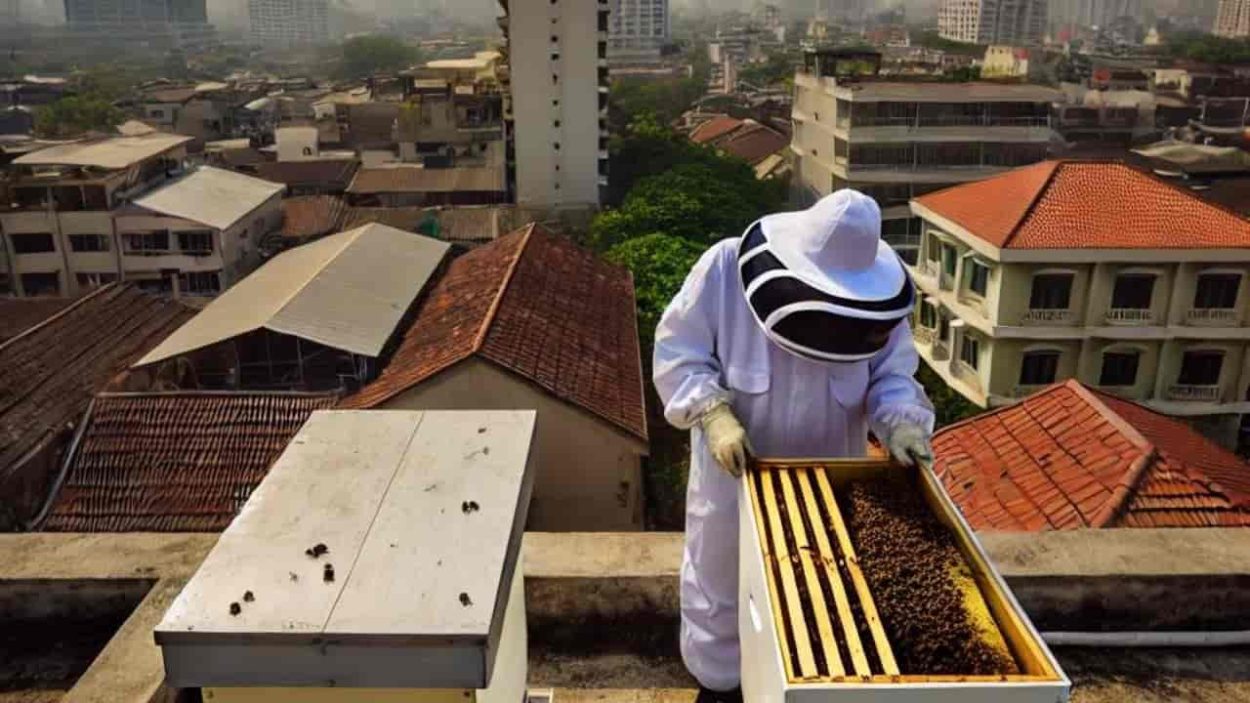
Choosing good spots for hives, like rooftops or gardens away from pollution, and using air purifiers can help bees stay healthy in cities.
Working together, scientists and beekeepers can learn more about how dirty air affects bees and push for cleaner city air policies.
Monitoring technologyprovides real-time data on air quality, helping beekeepers make smart choices to keep their bees safe from harmful pollutants.
Exploring the Relationship Between Air Quality and Urban Beekeeping
Poor air quality in urban areas can affect bees’ health and behavior, leading to increased mortality rates. Industrial emissions, vehicle exhaust, and urbanization contribute to declining air quality in cities.
This impacts beekeeping through changes in foraging behavior, increased stress and disease susceptibility in bees, and reduced colony productivity.
Impact of Air Pollutants on Bee Health and Behavior
Air pollutants hurt bee health in significant ways. Tiny particles and gases in the air mess with bees’ ability to smell flowers, making it hard for them to find food. Bees have special sensors on their antennae for picking up flower scents.
But bad air can block these signals, forcing bees to work harder and fly further just to get nectar.
Bad air also makes bees sick and weakens their bodies against pests like varroa mites and diseases like Nosema ceranae. Studies show that when the air gets warmer, it gets worse for bee health.
Hotter days mean more stress for bees because of lower gene activity linked to fighting off sickness. Plus, there’s a link between harsh air conditions and fewer eggs from queen bees due to oxidative stress.
This combination of enemies puts a lot of pressure on honeybee colonies, which try to survive in places with filthy air.
Correlation Between Air Quality and Bee Mortality Rates
Moving from how air pollutants affect bee health and behavior, we now explore their link to bee death rates. Poor air quality makes bees sick. It lowers ProPO gene expression in forager bees.
This gene helps them stay healthy. Bad air also raises the expression of vitellogenin (Vg) in these bees. High levels of Vg can make it hard for bees to fight off diseases.
Varroa mites and Nosema ceranae are two big problems for bees, often found together in weaker hives. These pests thrive where hive management is lacking. They make it harder for bees to deal with heat, too, by messing with Heat Shock Protein 70 (HSP70).
This protein helps protect them from getting too hot. In places with lots of Varroa and N. ceranae, like apiaries 3 and 4, more bees die because they cannot cope well with poor air or high temperatures.
Factors Influencing Air Quality in Urban Areas
Urban areas encounter difficulties maintaining air quality due to industrial emissions and vehicle exhaust. Moreover, urbanization results in the loss of green spaces, worsening air pollution.
Industrial Emissions
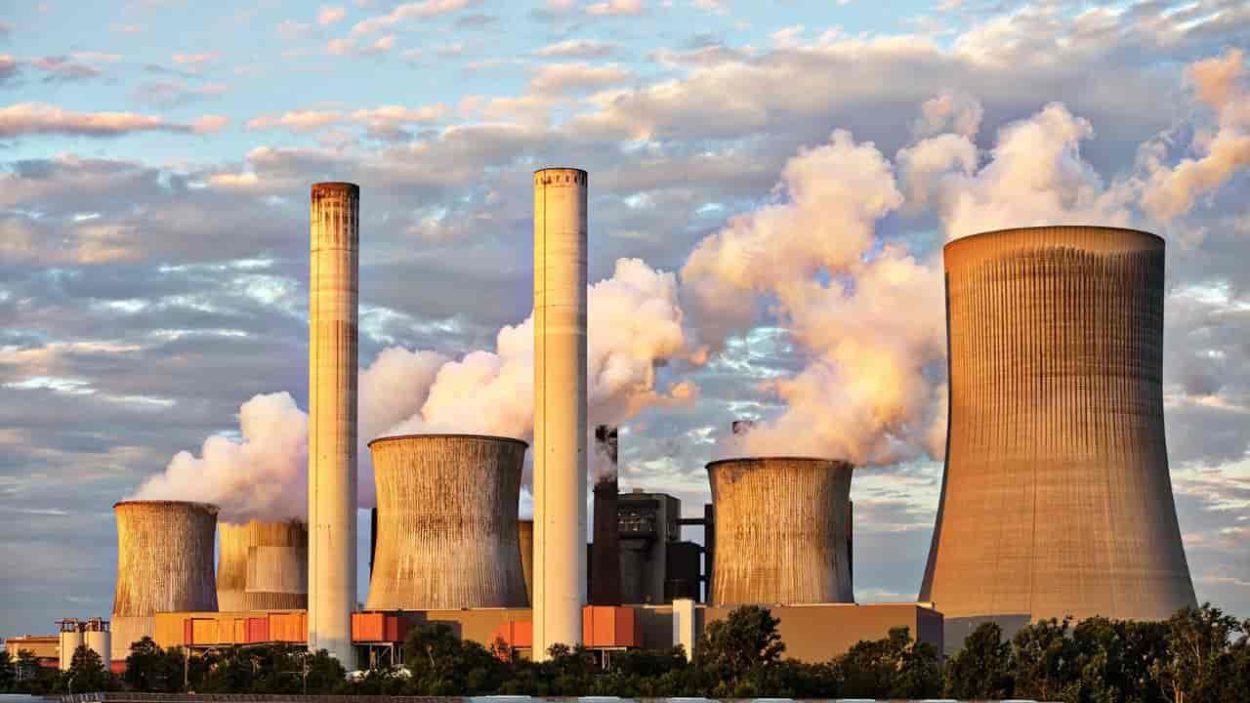
Factories release a lot of bad air that can harm bees. This bad air comes from smoke and chemicals released into the sky during production. These emissions add to the dirty air in cities.
They put out tiny bits called particulate matter, like PM2.5 and PM10. These tiny bits can change how bees find food and make them sick.
Cars and factories also let out gases like ozone that are not good for bee health. These gases can make it harder for bees to fight off pests and diseases. Because of this, honeybees face more stress and have a hard time doing their jobs well in places with lots of factories.
Vehicle Exhaust
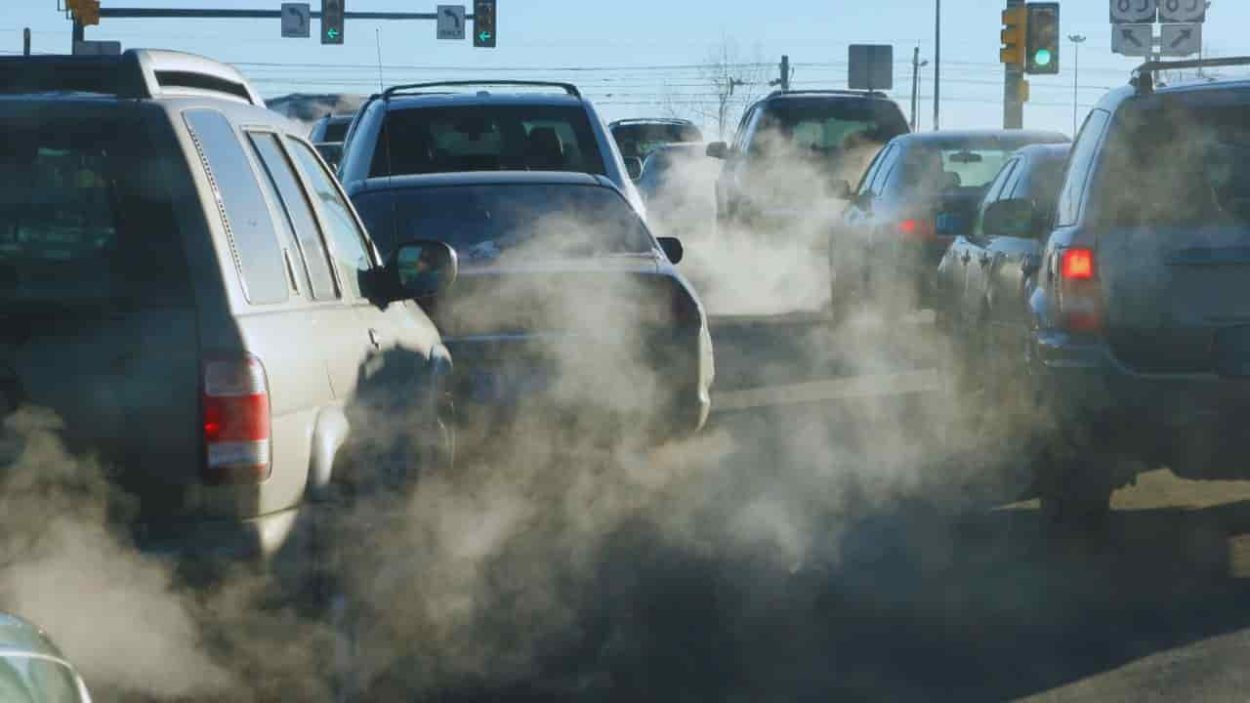
Vehicle exhaust harms honeybees in cities. This pollution makes it hard for bees to find food because it interferes with their smell. They can’t find flowers either. Cars and trucks release gases that are bad for bee health.
Also, these pollutants help Varroa mites grow. These mites make bees sick.
Next, we look at how losing green spaces affects city air and bees.
Urbanization and Loss of Green Spaces
Cities grow more extensive, and buildings replace trees. This change is called urbanization. It makes the air dirty because green spaces that clean the air get lost.
Green spaces are like lungs for a city.
Dirty air from less green space hurts bees in cities. They face more stress and health problems, making it hard for them to find food and stay healthy. Urbanization pushes bees to work harder to live in these challenging places.
Effects of Poor Air Quality on Beekeeping
Poor air quality negatively affects beekeeping in several ways. It leads to changes in foraging behavior, increased stress and susceptibility to disease in bees, and a reduction in colony productivity.
Changes in Foraging Behavior
Honeybees take longer to find food when the air is polluted. They spend 32 more minutes outside during dirty air times. Even after the air clears, they don’t return to their quick trips.
This means bees work harder and less effectively because of pollution.
Air that’s full of tiny harmful particles hurts bees’ health too. These particles lower a bee gene called ProPO, which helps them fight off sickness. Since over 70% of our crops need bees to grow, this is a big problem for farming.
Scientists use RFID, a unique tracking technology, to watch how each bee looks for food. This shows us how clean air is essential for bees to do their job well.
Increased Stress and Disease Susceptibility in Bees
Poor air quality and high temperatures hit bees hard. They face more stress and get sick more easily. Bees need their immune response to fight off diseases. The enzyme ProPO is vital for this defense but struggles when the air is bad, or it’s too hot.
Studies show that adult bees do better with cleaner air and cooler days.
Adult bees showed a positive correlation with the air quality index (FOB) and maximum daily temperature.
Bees play a big role in agriculture, adding over $200 billion to farms around the world every year. With over $18 billion from the U.S., protecting them is crucial for our food supply.
But lousy air and heat make it harder for them by lowering their immune functions and increasing stress protection needed to stay healthy. This can significantly affect Urban Hive Temperament.
Reduction in Colony Productivity
As bees face more stress and sickness, they struggle to do their jobs. This leads to less honey being made and fewer plants being pollinated. Bees are key for making food we eat because they pollinate crops.
Butdirty air hurts bee colonies a lot. It makes them produce less honey, and the bees get sick easily with things like Varroa mites and N. ceranae.
Records show that apiaries with high levels of these pests had poor hive management. In places where beekeepers did not take good care of the hives, about 72% of bees got sick from N.
ceranae and 60% were infested with Varroa mites. This shows that bad air directly affects bees’ health by making them weak against diseases and pests, which cuts down on their ability to work.
Monitoring Air Quality for Beekeeping
Urban beekeepers must monitor air quality to safeguard their bees’ health. They can use Air Quality Index (AQI) tools and install local air quality sensors for real-time data. To learn more about this crucial aspect of urban beekeeping, read the full blog post.
Use of Air Quality Index (AQI) Tools
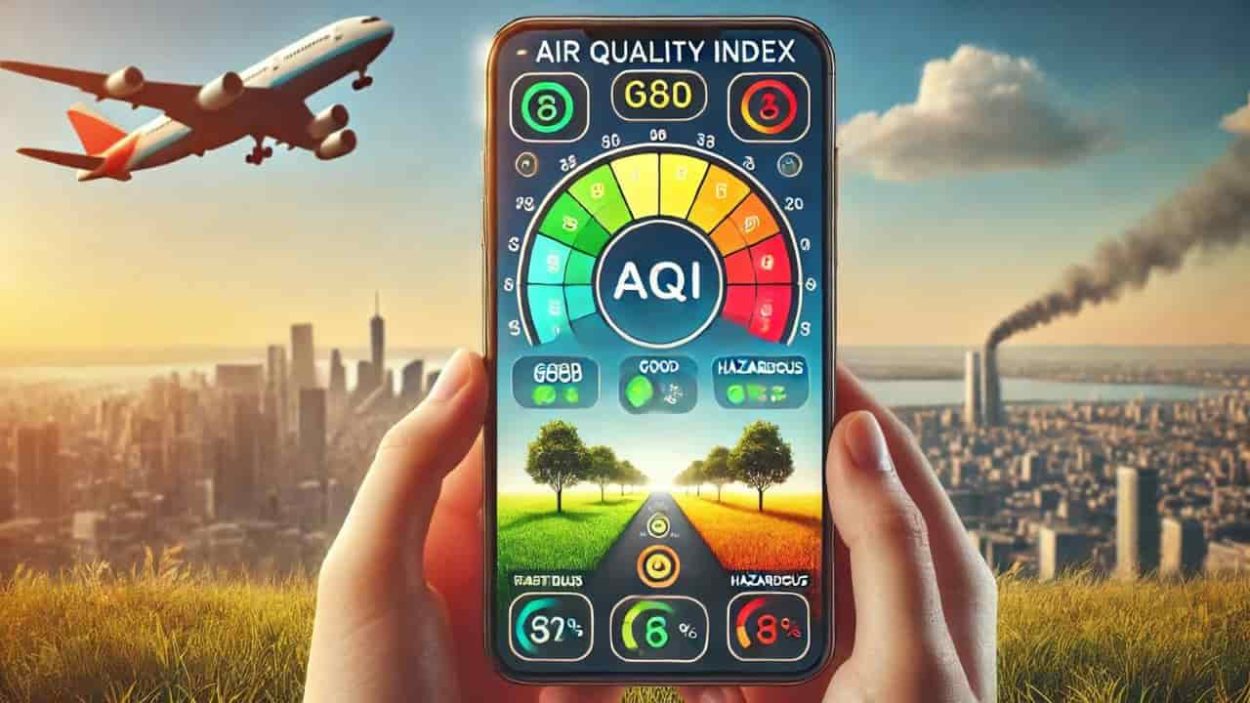
Beekeepers can check the air quality around their hives using AQI tools from websites like AirNow.gov. These tools give a score that shows how clean or polluted the air is each day.
With this info, beekeepers make smart choices to protect their bees from bad air that might harm them.
Bad air quality harms not just humans but our bees too. This quote reminds us that both need clean air to stay healthy. Tools like those on AirNow.gov are key for keeping track of pollution levels. Beekeepers use these scores to avoid exposing bees to harmful conditions that could lead to stress or sickness in the hive.
Implementing Local Air Quality Sensors
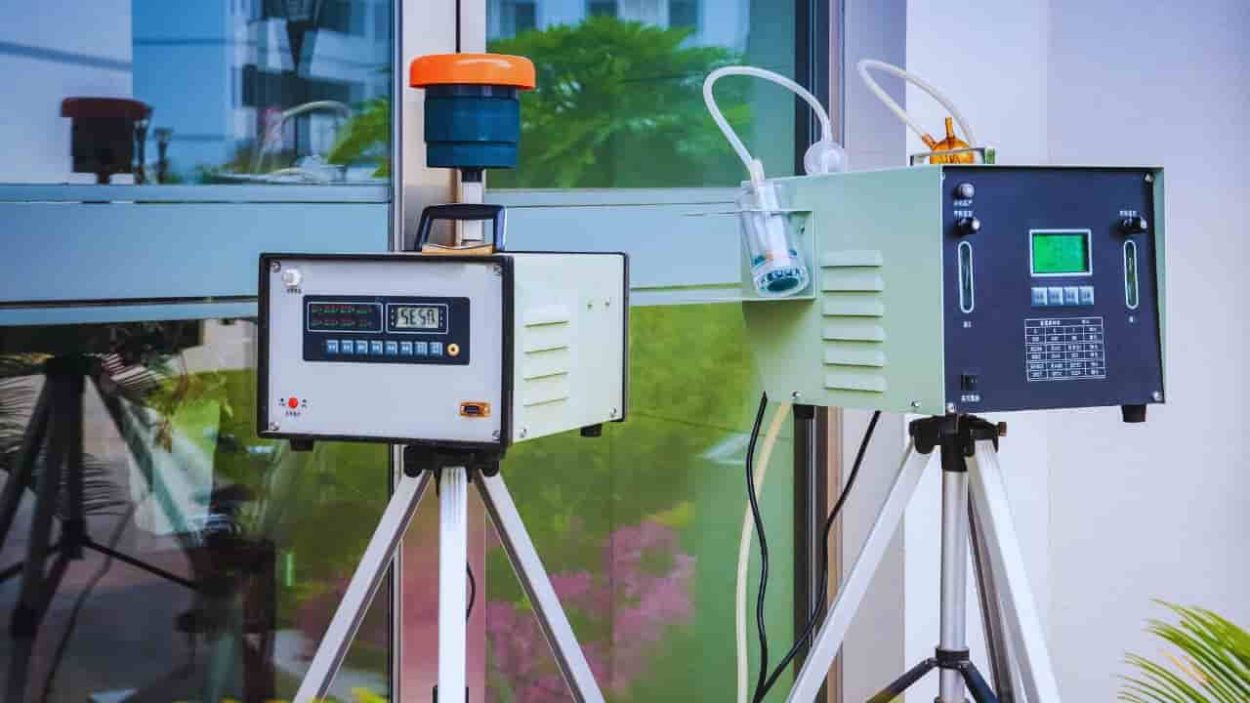
Implementing local air quality sensors is crucial for monitoring environmental conditions that impact honeybee health and urban beekeeping practices. These sensors offer real-time data on air pollutants, temperature, and humidity, allowing beekeepers to make informed decisions about hive placement and management.
By utilizing these tools, beekeepers can alleviate the impact of poor air quality on honeybee colonies and take proactive steps to maintain their health.
The use of local air quality sensors enables timely interventions in response to changes in environmental conditions, assisting urban beekeepers in protecting their hives against the adverse effects of pollution and climate-related stressors.
This proactive approach is essential for sustaining healthy honeybee populations in urban areas while contributing to the preservation of pollination services crucial for ecosystem balance.
Moving forward with effective monitoring ensures the overall well-being of bees amid constantly changing environmental challenges.
Importance of Real-Time Air Quality Data
Real-time air quality data is essential for urban beekeeping, allowing beekeepers to monitor and respond to changes promptly. By using tools like the Air Quality Index (AQI) and local air quality sensors, beekeepers can track pollution levels, including industrial emissions and vehicle exhaust, which directly impact bee health.
This timely data empowers them to make informed decisions, choose strategic apiary locations, and introduce mitigation measures such as air purification systems near hives. Furthermore, the availability of real-time air quality data supports advocacy for urban environmental policies aimed at improving air quality, benefiting bees, and overall ecosystem health.
The importance of real-time air quality data is further highlighted by its correlation with negative effects on bees when exposed to poor air quality. This immediate information helps address stress and disease susceptibility in bees caused by pollutants—a crucial consideration given their vital role as pollinators essential for agricultural production and biodiversity preservation.
Mitigation Strategies for Urban Beekeepers
Mitigating urban beekeeping challenges involves selecting optimal locations, using air purification systems near hives, and advocating for urban environmental policies. These strategies are crucial for supporting the health and productivity of bees in cities.
Selection of Strategic Beekeeping Locations
Choosing the right place for beekeeping is crucial. It impacts bees’ health, productivity, and survival. Strategic beekeeping locations should offer a diverse range of blooming plants as a food source and be away from sources of air pollution, such as industrial areas and heavy traffic routes.
This helps maintain good air quality around the hives, which is vital for the well-being of the bees.
In addition, urban beekeepers can strategically place their hives on rooftops or in community gardens to ensure better access to cleaner air. These measures can significantly mitigate the adverse effects of poor air quality on bees and enhance their overall vitality, hence contributing to higher honey production and stronger colonies.
Such strategic placement not only helps preserve healthy bee populations but also plays a pivotal role in urban environmental conservation efforts.
Next – Exploring the Relationship Between Air Quality and Urban Beekeeping
Use of Air Purification Systems Near Hives
Using air purification systems near hives can help mitigate the impact of poor air quality on honeybees. Poor air quality has negative effects on bee health and increases their stress levels.
Furthermore, increased air pollution correlates with longer foraging times, indicating stress on bee navigation and foraging behavior. Therefore, implementing air purification systems near hives could potentially alleviate these adverse effects by improving the surrounding air quality.
Advocacy for Urban Environmental Policies
To advocate for urban environmental policies, it’s essential to highlight the crucial role that these policies play in safeguarding bee populations and overall ecological well-being.
With funding sourced from USDA-ARS funds and cooperative agreements, ongoing research provides publicly accessible data through the Open Science Framework (DOI 10.17605/OSF.IO/MC73D).
These findings underscore the urgent need for collaboration between environmental scientists and beekeepers to inform policymaking. By emphasizing the impact of industrial emissions, vehicle exhaust, and urbanization on air quality—factors directly linked to bee health—advocacy efforts can underscore the importance of sustainable urban development.
Such advocacy is vital for initiating evidence-based policy formulation and ensuring a healthy environment for bees and all living organisms affected by urbanization and associated challenges.
Case Studies
Several cities have extensively researched the effect of air quality on urban bee populations, offering valuable insights into potential challenges and solutions. These real-world examples provide practical applications of strategies to overcome air quality issues in urban beekeeping.
Impact of Air Quality on Bee Colonies in Major Cities
Air quality in major cities directly influences bee colonies. Unfavorable air quality leads to increased stress and susceptibility to diseases in honeybee colonies, affecting their health and productivity.
Moreover, studies indicate that air pollutants can interfere with bees’ floral odor receptors, impacting their foraging success and pollination effectiveness—elevated temperatures exacerbated by unfavorable air quality present further challenges to honeybee health and immune function.
Fine particulate matter (PM2.5) and atmospheric conditions significantly affect honeybee foraging efficiency, ultimately impacting the overall well-being of bee colonies in urban areas.
Due to unfavorable air quality resulting from factors such as industrial emissions and vehicle exhaust, bees undergo prolonged foraging durations under polluted conditions. The intricate relationship between climate change, pests like Varroa mites, and inadequate nutrition worsens the decline in honeybee health due to pollution-related stressors.
In summary, mitigating the effects of unfavorable air quality on urban bee colonies is essential for maintaining healthy bee populations that are crucial for pollination services in major cities.
Successful Mitigation Techniques in Urban Settings
Urban areas can benefit from successful mitigation techniques designed to improve air quality for honeybee health. These techniques help address the complex effects of abiotic and biotic stressors on honeybee health in urban settings.
Implementing these strategies can potentially enhance pollination efficiency by reducing the extended foraging duration caused by poor air quality.
Utilizing strategic beekeeping locations, implementing air purification systems near hives, and advocating for urban environmental policies are essential mitigation strategies.
By employing these measures, urban areas can minimize the interference of air pollutants on honeybee foraging abilities and reduce the impact of poor air quality on honeybee immunity and health.
Smart implementation of these techniques aids in minimizing the harmful effects of environmental pollution on honeybee colonies.
Next – Future Research Directions
Future Research Directions
Exploring Advanced Monitoring Technologies and Collaborative Efforts Between Environmental Scientists and Beekeepers for Longitudinal Studies on Air Quality and Bee Health.
Advanced Monitoring Technologies
The advancement of monitoring technologies has transformed beekeeping. These embrace Lidar and remote sensing, offering detailed insights into air quality.
By utilizing these tools, beekeepers can access real-time data to make informed decisions about hive placement and management strategies.
Urban beekeepers can actively monitor air quality in their vicinity by using advanced sensors, such as those for particulate matter and pollutant gases.
This enables them to identify potential threats to their colonies and take proactive measures to mitigate risks.
Furthermore, the integration of advanced monitoring technologies equips urban beekeepers with accurate and timely information on environmental changes that may impact bee health.
By including these cutting-edge tools in their practices, they are better prepared to navigate the intricate dynamics between air quality and urban beekeeping.
As a result, they can proactively address challenges posed by industrial emissions, vehicle exhausts, and other sources of pollution in urban environments.
Through the strategic use of advanced monitoring technologies tailored towards real-time data acquisition on air quality parameters impacting bees’ ecological niche, we gain valuable insights that significantly enhance our understanding of how environmental factors affect honeybee populations.
Longitudinal Studies on Air Quality and Bee Health
Long-term research on the relationship between air quality and bee health, such as Ebi et al. (2021) and Goulson et al. (2015), has emphasized the significance of analyzing urbanization’s impact on honeybee colonies.
For example, histological analyses revealed that infections from N. ceranae were present without direct signs of pathology interactions with abiotic stressors, indicating potential variability in measuring abiotic stress impacts.
Moreover, trends showed higher Nosemosis incidence in October and November.
The data suggests a need for longitudinal studies to comprehend how changes in air quality due to urban development can impact bee health over extended periods.
These studies could be essential in identifying specific pollutants or environmental changes that contribute to bee colony declines and could guide mitigation strategies for ensuring urban beekeeping sustainability.
Such long-term analysis efforts would necessitate collaboration between environmental scientists, local beekeepers, and government agencies to collect real-time air quality data utilizing advanced monitoring technologies while considering the intricate web of factors influencing both air quality and pollinator health.
Collaborative Efforts Between Environmental Scientists and Beekeepers
Collaboration between environmental scientists and beekeepers is crucial to enhancing bee health in urban areas. This joint effort can involve sharing data on air quality, studying the impact of pollutants on bees, and strategizing to mitigate risks due to poor air quality.
Environmental scientists can provide expertise in monitoring air quality using tools like the Air Quality Index (AQI) and advanced sensor technologies. Beekeepers’ knowledge of bee behavior and colony dynamics enriches scientific studies.
They also play a vital role in advocating for urban environmental policies that promote better air quality for bees. Through this collaborative approach, both parties can contribute significantly to sustaining healthy urban bee populations by addressing the challenges posed by poor air quality.
Conclusion
In conclusion, urban beekeeping is significantly influenced by air quality. Unfavorable air quality increases stress in honeybees and exacerbates disease prevalence. As cities encounter difficulties in managing air pollutants, it becomes essential to comprehend the impact on bee health.
This underscores the requirement for monitoring tools and mitigation strategies to protect urban bee populations and advocate for sustainable beekeeping practices. Moreover, cooperative efforts between environmental scientists and beekeepers are crucial for tackling these intricate challenges in urban ecosystems.
FAQs
1. How does air quality affect urban beekeeping?
Air quality has a significant impact on urban beekeeping, especially with honey bees like the Apis mellifera and giant Asian honeybees. The presence of fine particles and aerosols from wildfires or other sources can stress these insects, disrupting their dances and affecting their health.
2. What are some common threats to honey bees in an urban environment?
Common threats include the Varroa destructor parasite, deformed wing virus (DWV), Nosema apis infection, and exposure to neonicotinoid pesticides. These factors can lead to colony collapses and declines in bee population.
3. Can climate change influence the health of bees?
Yes, effects of climate change such as heat shock proteins due to drought or forest fires can cause stresses in bees that may disrupt proteostasis – a vital process for protein chaperone function in cells.
4. How do scientists determine the impact of air quality on bees?
Scientists use various methods, including DNA extraction from infected bees for reverse transcriptase analyses, histological examination using hematoxylin & eosin-stained slides under light microscopy, and statistical analyses using generalized linear models (GLM) or ANOVA tests for regression analysis.
5. Does poor visibility due to clouds or smoke affect bee behavior?
Yes! Poor visibility due to cloudy conditions or smoke from wildfires can alter floral scent trails that guide bees back to their hives, which is detrimental to the ecosystem services provided by these pollinators.
6. Is there any research available on this topic that I could access?
Absolutely! There’s plenty of open-access research available online where you’ll find detailed statistical analysis results along with independent variables used in regression models assessing impacts on urban beekeeping.
Explore the fascinating role of urban bees in scientific research and their impact on our environment. Discover how these busy pollinators thrive in city settings.
Transform your urban space into a bee haven with our guide to the best plants for urban beekeeping. Discover how to create a thriving, bee-friendly garden.






Leave a Reply